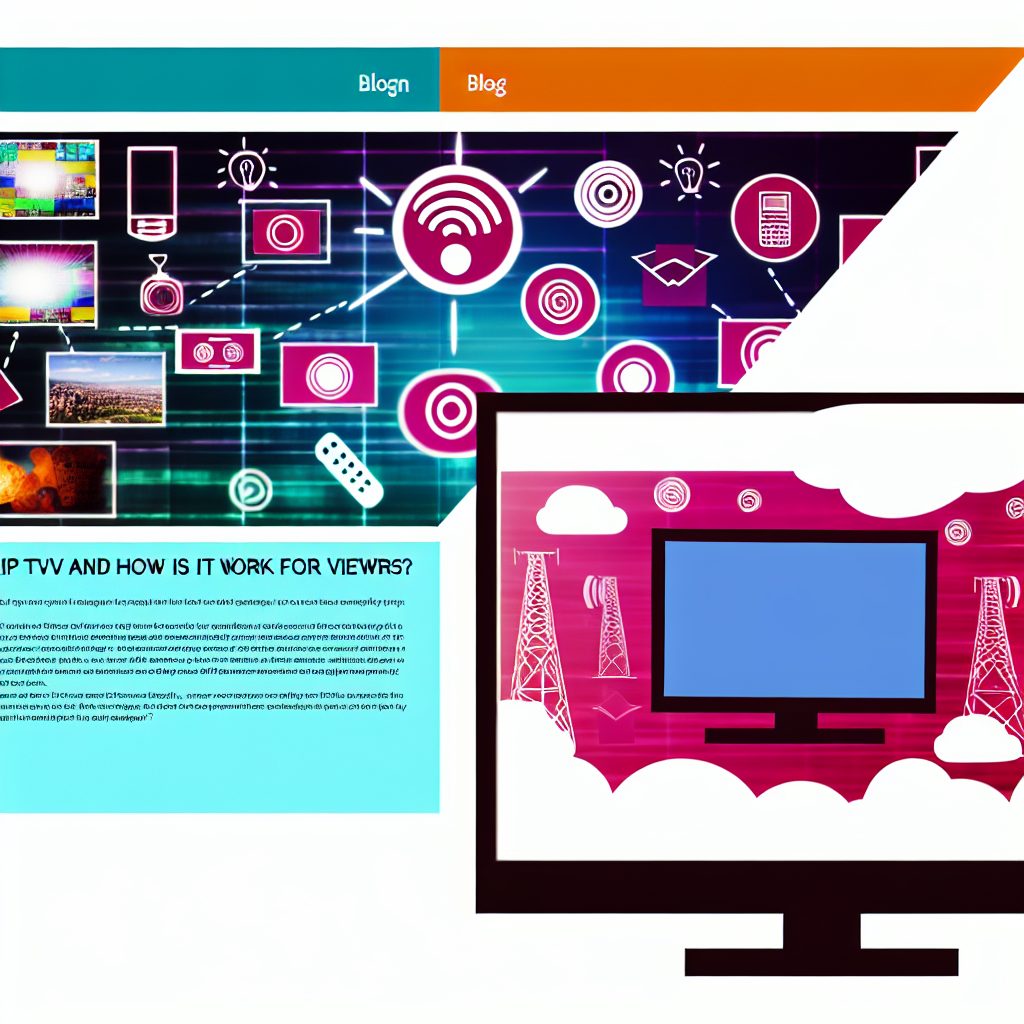
What is an iptv service and how does it work? Discover how IPTV can revolutionize your television experience with seamless streaming and extensive content options.
| What is IPTV? | How Does IPTV Work? | Benefits of IPTV | Getting Started with IPTV | IPTV FAQs |
|---|
What is IPTV?
IPTV, short for Internet Protocol Television, represents a modern approach to delivering television content over the internet rather than traditional broadcast methods like cable or satellite. In simple terms, it allows viewers to stream video content directly through their internet connection, transforming how we consume television.
Unlike conventional systems that rely on fixed broadcasting channels, IPTV operates through a more flexible, tailored method. Users select the specific content they want to watch, which is then delivered in real time via the internet. This technology has grown significantly in popularity, driven by the demand for on-demand access to multimedia content and the evolution of smart devices.
To delve deeper into the definition, an IPTV service generally involves a subscription model where users pay for access to a range of channels, video-on-demand (VOD) options, and sometimes a variety of other media content. It’s essential to note that IPTV does not operate solely through conventional cable networks. Instead, it utilizes internet protocols to transmit programming, paving the way for numerous advantages, which we’ll explore later.
For an extensive exploration of the subject, you can read more about this in our section on What is an iptv service and how does it work.
How Does IPTV Work?
Understanding how IPTV functions involves a deeper look at its components. Ultimately, IPTV utilizes several technologies to enhance viewing experiences. Here’s a breakdown of how it works:
Components of IPTV
-
Content Delivery Network (CDN): A CDN ensures that video content is delivered seamlessly across the internet. It helps reduce latency and buffering issues by storing copies of the data across various geographical locations.
-
IPTV Middleware: This is the software that organizes and manages the content delivered to viewers. It’s responsible for user interface interactions, management of subscriber accounts, and channel changes.
-
Set-Top Box (STB): While some users can stream content directly through their devices, others might employ a set-top box, which decodes the IPTV signal and displays it on your television. STBs enhance the streaming experience by offering additional functionalities like DVR (Digital Video Recording).
-
Streaming Protocols: IPTV employs various streaming protocols to ensure a smooth transmission of data over the internet. This includes protocols like RTSP (Real-Time Streaming Protocol) and HTTP Live Streaming (HLS), which are essential for real-time broadcasting.
-
Devices Compatibility: IPTV services can be accessed via smart TVs, smartphones, tablets, laptops, and even gaming consoles. This flexibility means you can watch your favorite shows on a wide range of devices, making it a highly adaptable platform for many users.
Understanding these components is vital for anyone interested in setting up an IPTV service. With the ability to deliver content in various formats, it has opened up numerous possibilities for how we engage with television viewing.
Benefits of IPTV
As the digital age unfolds, more viewers are switching to IPTV services, and for good reason. Here are some significant benefits:
Cost-effective
Traditional cable subscriptions often come at a high price, especially when including various premium channels. IPTV generally offers a more affordable alternative, providing access to hundreds of channels without the hefty price tag. The competition among IPTV providers also encourages pricing strategies that can cater to different budgets.
Flexibility and Diversity
With IPTV, viewers have the luxury to choose from an extensive array of channels and on-demand content. Whether you prefer sports, movies, or niche content, the extensive libraries available through IPTV services can cater to diverse interests. Furthermore, many IPTV providers allow for customization, enabling users to pick and choose their specific packages.
High-Quality Streaming
IPTV services often elevate video quality as they leverage cutting-edge technologies. Many services offer HD and even 4K streaming options, which result in a richer viewing experience. Based on your internet speed, users can enjoy clear, uninterrupted streams, free from the glitches often experienced with traditional television broadcasts.
On-demand Content
The appeal of binge-watching entire seasons of shows is something traditional TV cannot fully accommodate, but IPTV excels in this realm. With video-on-demand options, users can enjoy content at their leisure without adhering to fixed broadcast schedules.
Easy Access to International Content
One of the more unique benefits of IPTV is that viewers can access international TV channels from around the world. Whether you’re looking to enjoy Spanish, German, or Japanese programming, IPTV opens the door to a world of content, providing a richer viewing experience for those seeking diversity.
Getting Started with IPTV
For those interested in transitioning to IPTV, the process is relatively straightforward. Let’s break it down into simple steps:
Choosing an IPTV Service Provider
Selecting the right IPTV service is crucial. Look for a provider that fits your entertainment needs and budget. Some reliable sources to explore include IPTVlog for recommendations on the BEST IPTV services. Be sure to compare features, channel offerings, and user reviews to find the best match.
Setting Up Your Device
Once you’ve chosen your IPTV provider, setting up is the next step. Here’s how you can do it:
-
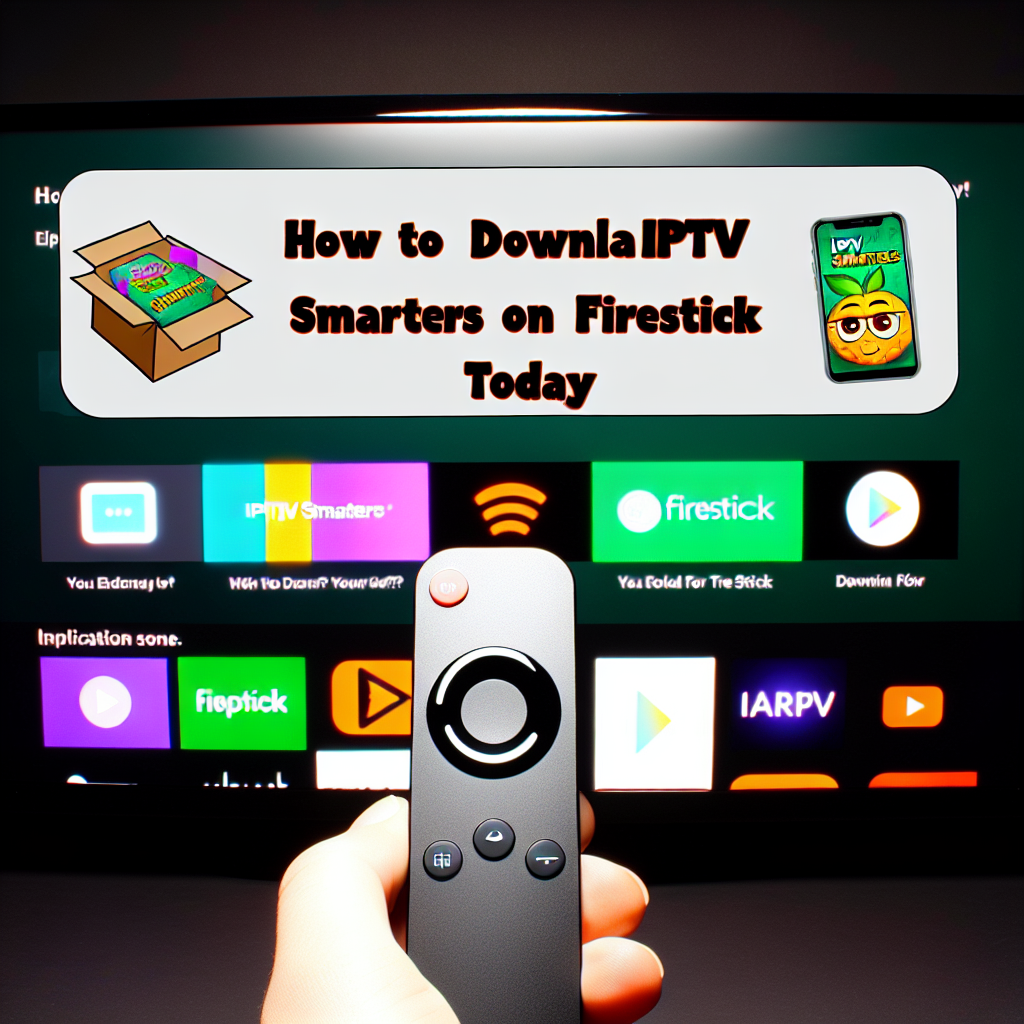
Download an IPTV App: Many IPTV providers offer their own apps (like IPTV SMARTERS PRO). Simply download this app onto your compatible device.
-
Input Your Login Information: After installation, log in using the credentials provided by your IPTV service.
-
Explore the Interface: Once logged in, familiarize yourself with the user interface. Check for various channels, on-demand options, and any features that might enhance your viewing experience.
Testing Your Connection
Before diving into hours of content, test your internet connection. A stable and fast connection is essential for high-quality streaming. Regularly check your speed to ensure it meets the requirements of your chosen service.
Content Exploration
With everything set up, start exploring! Check out different channels, browse through on-demand content, and make the most of the rich offerings presented by your IPTV service.
For those unsure about how to proceed, consider trying an IPTV FREE TRIAL. Many providers offer these trials, allowing you to gauge the quality and suitability of their services without any financial commitment.
IPTV FAQs
1. Is IPTV legal?
The legality of IPTV can be somewhat complex. While many legitimate IPTV providers operate within the confines of the law, some services may infringe on copyrights by providing unauthorized access to certain channels. It’s essential to choose reputable providers that comply with legal guidelines.
2. What internet speed do I need for IPTV?
Generally, a minimum internet speed of 10 Mbps is recommended for standard viewing. However, for higher resolution streaming like HD, speeds of 20 Mbps or higher are advisable. Opt for wired connections when possible for better reliability.
3. Can I watch IPTV on multiple devices?
Most IPTV services allow viewing on multiple devices simultaneously, but this depends on the provider’s terms. Many services also offer apps for different operating systems, ensuring easy access on various devices.
4. What happens if my internet goes down?
If your internet connection fails, you’ll lose access to your IPTV service. It’s wise to have a stable internet setup and consider a backup option like mobile data to continue streaming in emergencies.
5. Do I need a special device for IPTV?
While some IPTV services can be accessed directly through smart TVs and mobile devices, others may require a set-top box. Check your chosen provider’s setup requirements to ensure compatibility with your existing devices.
In conclusion, IPTV represents a significant shift in how we consume media, offering flexibility, diversity, and high-quality content. If you found this article helpful, please consider sharing it with your friends and family. They might appreciate learning about this modern alternative to traditional television as well.